
Google Rich Results Test: How to Check Your Markup and Get Rich Snippets
Imagine your website appearing in Google search not just as a boring blue link, but with bright photos, ratings, prices, and even carousels. This is a reality for those who use structured data. But how do you check if everything is working correctly? Google Rich Results Test is your key to rich snippets that increase click-through rates by 20-40%. Spoiler: the tool is free, and implementation takes only a few hours, but requires accuracy to avoid errors in 2025, taking into account AI Overviews.
⚡ In Short
- ✅ Rich Results are a SEO Superpower: They make your site visible in search, increasing CTR and traffic without additional costs.
- ✅ Google Rich Results Test Checks Markup: The tool detects errors and shows how the snippet will look in the SERP.
- ✅ 2025 Update: Integration with AI, removal of 7 markup types, and focus on JSON-LD for better compatibility.
- 🎯 You Will Get: A step-by-step guide to implementation, code examples, error correction, and measurement of results.
- 👇 Read more below — with examples and conclusions
Table of Contents:
- 📌 What are Rich Results and Why are They Important
- 📌 Types of Rich Snippets in 2025
- 📌 How to Implement Structured Data
- 📌 Step-by-Step Guide to Google Rich Results Test
- 📌 Errors and Troubleshooting
- 💼 Monitoring and Measuring Impact
- 🚀 Strategies for Optimizing Structured Data for Maximum Effect
- ❓ Frequently Asked Questions (FAQ)
- ✅ Conclusions
⸻
🎯 What are Rich Results and Why are They Important
"Structured data is the bridge between your content and Google's understanding, transforming ordinary search results into interactive elements." — From Google Developers documentation.
📊 Basics of Rich Results
Rich Results, or rich snippets, are enhanced search results in Google that are displayed with additional elements such as images, star ratings, prices, reviews, recipe ingredients, or even interactive carousels. They are created based on structured data — special code that is added to the HTML page of the site to help search engines, like Google, better understand and classify content. For example, for a recipe, structured data can specify ingredients, cooking time, and calorie content, allowing Google to display this information directly in search results. In 2025, with the rapid development of AI Overviews, rich snippets have become even more important: they not only increase the visibility of the site, but also help content get into AI-generated summaries, where users get answers without going to the site (zero-click searches). This transforms the search experience into a more informative and convenient one, but requires site owners to accurately implement the markup to avoid being ignored or penalized by algorithms.
Structured data is based on standards such as Schema.org and can be implemented in JSON-LD (recommended by Google), Microdata, or RDFa formats. Google uses this data to create rich results that make the SERP (search engine results page) more attractive. According to official data, sites with properly implemented markup see a significant increase in engagement: for example, Nestlé recorded an 82% higher CTR for pages with rich results compared to regular ones. Similarly, Food Network increased traffic by 35% after converting 80% of pages to structured data. These examples demonstrate how rich snippets not only decorate results, but directly affect user behavior, making the site more competitive in the era of AI-dominated search.
- ✅ Point 1: Increased Traffic: 2025 research from companies like Blue Array and Analytify shows that sites with rich snippets have a CTR 5-30% higher than regular results, and in some cases up to 35-40%. For example, Rotten Tomatoes increased click-through rates by 25% after implementing markup for movies, resulting in millions of additional visits without increasing the advertising budget. This is especially true for e-commerce, where visual elements such as prices and ratings stimulate quick purchases.
- ✅ Point 2: Competitive Advantage: In a SERP with AI Overviews integration, rich snippets make content "AI-friendly", allowing it to appear in top AI summaries. According to Google, this helps sites bypass traditional ranking, as AI extracts structured data to create short but complete answers. Without such markup, your site risks going unnoticed in zero-click searches, where users are satisfied with the AI overview.
- ✅ Point 3: Free Improvement: Implementation does not require paid advertising or complex tools — just add the code and check it. However, accuracy is critical: errors in the markup can lead to Google ignoring it or even penalties for spam. In 2025, with a focus on E-E-A-T (Experience, Expertise, Authoritativeness, Trustworthiness), structured data also enhances trust by adding elements such as authorship or reviews.
👉 Example: Imagine a search query "buy Samsung Galaxy S25 smartphone". A regular result is just a title and description. But with a rich snippet, a photo of the device, the current price, a star rating based on reviews, store availability, and even a "Buy" button will appear. This not only attracts attention, but also increases conversions by 20-30%, as shown by cases from Rakuten, where users spend 1.5 times more time on pages with markup. Another example is for blogs: an article with Article markup can be displayed with the author's photo, publication date, and title, which increases clicks by 15-25%.
⚡ Important: In 2025, Google made significant updates: it removed support for 7 types of markup, including Book Actions, Course Info, Claim Review, Estimated Salary, Home Activities, Paywall, and Self Assessment. This simplification aims to focus on the most relevant types, such as Product or Recipe, to avoid overloading the SERP. Check the relevance through the official documentation, because using outdated markup may now not be beneficial, and in the worst case — harm indexing. In addition, with AI integration, the markup must be semantically accurate to get into AI Overviews, where short, structured data wins over long texts.
✅ Quick Conclusion: Rich Results are not just a visual improvement, but a strategic tool for traffic growth and engagement in 2025. They do not affect ranking directly, but significantly increase CTR and make content AI-adapted, providing a competitive advantage without additional costs.
Official sources for further study:
- Schema.org Markup: What is it and Why Does Your Site Need It? — a practical guide to using structured data for SEO.
- Introduction to Structured Data from Google Developers — a detailed explanation of the basics and examples.
- Latest Google Search Updates — information about changes in 2025, including the removal of markup types.
- Google Search Gallery — a list of supported rich results types with requirements.
⸻
🔬 Types of Rich Snippets in 2025
In 2025, Google supports over 27 types of rich results, covering a wide range of content — from simple articles to complex interactive carousels. Structured data, based on the Schema.org standard, allows you to create rich snippets that not only make search results more attractive, but also help content get into AI Overviews — a new Google feature that provides short answers directly in the SERP. The 2025 updates have made changes: FAQ markup is limited (reduced impressions in mobile results), How-To is only available on desktops, and new types, such as Vacation Rental, are becoming popular for niche businesses such as travel platforms. In addition, Google has removed support for 7 types of markup (e.g., Book Actions, Course Info) to simplify the system and focus on relevant formats. These changes reflect Google's commitment to optimizing search in the age of AI, where structured data is key to visibility in zero-click searches.
Choosing the right type of markup depends on your content and target audience. For example, e-commerce sites benefit most from Product and Review snippets, while local businesses can use Local Business to display hours of operation or bookings. For media and blogs, Article and Video help stand out from the competition. Important: in 2025, Google pays special attention to the semantic accuracy of the markup so that the content matches user intent and can be used in AI overviews. Below, we will take a detailed look at the most popular types of rich results, their requirements, and examples of use so that you can choose the best option for your site.
📈 Comparison Table of Types
| Type | Description | Requirements | Example Use |
|---|---|---|---|
| Product | Displays price, availability, reviews, and ratings for products in search. | JSON-LD with fields name, image, offers, aggregateRating, sku, brand. | E-commerce: Smartphone with a price of 5000 UAH, rating of 4.8, and a "Buy" button. |
| Article | Shows the title, image, author, and date for news or blogs. | author, datePublished, headline, image; NewsArticle is recommended for news. | Blog: Article with photo, title, and author in SERP. |
| Recipe | Ingredients, cooking time, calories, carousels for recipes. | recipeIngredient, prepTime, cookTime, nutrition, recipeInstructions. | Culinary site: Pizza with ingredients and time in a carousel. |
| FAQ | List of questions and answers for frequently asked questions pages. | mainEntity with Question and Answer; limited in mobile AI Overviews. | FAQ page: 3-5 questions with short answers in SERP. |
| How-To | Step-by-step instructions for tasks, only available on desktop. | step, supply, tool, image; requires a clear structure. | Guide: "How to set up a router" with steps. |
| Event | Date, location, ticket price for events. | startDate, location, offers, organizer. | Concert: Time, place, and links to tickets. |
| Local Business | Hours of operation, address, ratings for local businesses. | openingHours, address, review, geo; supports bookings. | Restaurant: Hours of operation, map, rating 4.5. |
| Video | Videos with segments, duration, live-stream support. | contentUrl, thumbnailUrl, duration, uploadDate. | YouTube: Video with timecodes in SERP. |
| Job Posting | Vacancies with salary, company logo, location. | hiringOrganization, baseSalary, jobLocation, datePosted. | Job site: Vacancy with a salary of $50K/year. |
| Breadcrumb | Navigational hierarchy of the page for user convenience. | itemListElement with ListItem, name, item. | Site: Breadcrumbs "Home > Catalog > Product". |
| Organization | Information about the company: logo, contacts, social networks. | logo, contactPoint, sameAs, address. | Company: Logo and contacts in the knowledge panel. |
| Vacation Rental | Rental housing: price, amenities, reviews. | name, offers, address, aggregateRating. | Airbnb: House rental with price per night. |
📊 Detailed Overview of Key Types
Product: Ideal for e-commerce, displays price, availability, reviews, and ratings. In 2025, Google supports a combination with Review to display star ratings, which increases CTR by 20-30% (Ignite Visibility data). For example, Rozetka uses this markup to show prices and reviews directly in the SERP, which reduces user churn to competitors.
Article: Suitable for blogs, news, and media. Adds the author, publication date, and image, making the result more attractive. It is recommended to use NewsArticle for news sites to get into Google News. According to Lumar, articles with markup receive 15% more clicks.
Recipe: One of the most popular types for culinary sites. Supports carousels, allowing users to scroll through recipes in the SERP. Required fields, such as recipeIngredient and nutrition, help AI Overviews provide accurate answers, such as "low-carb recipes".
FAQ and How-To: In 2025, FAQs are limited in mobile results due to a Google update aimed at reducing clutter in the SERP. How-To is only displayed on desktops, but remains effective for educational sites. Both types require a clear structure to avoid errors such as "missing mainEntity".
Local Business: Indispensable for local SEO. Allows you to display hours of operation, addresses, ratings, and even buttons for booking. For example, restaurants can add menuUrl, which increases conversions by 10-15% (Schema App).
Video and Job Posting: Video supports segmentation (key moments), which is ideal for YouTube or educational platforms. Job Posting is popular among sites like Work.ua, allowing you to show salary and requirements directly in search.
New types: Vacation Rental has appeared for travel platforms like Airbnb and supports prices, reviews, and amenities. Breadcrumb and Organization are also gaining popularity as they improve navigation and brand presence in knowledge panels.
⚡ Important: In 2025, Google emphasizes JSON-LD as the primary format due to its simplicity and compatibility with dynamic content. Avoid outdated formats like Microdata and always check the relevance of types through official documentation to avoid wasted effort. In addition, the markup must match the actual content of the page, otherwise Google may consider it spam.
✅ Quick Conclusion: In 2025, choose rich results types that match your content: Product and Review for e-commerce, Recipe for cooking, Local Business for local SEO. Regularly check Google updates to adapt to changes such as FAQ restrictions or new types such as Vacation Rental.
Official sources for further study:
- Google Search Gallery — a complete list of supported rich results types with examples.
- Schema.org Documentation — detailed specifications for each markup type.
- Google Search Central Blog — updates on changes in markup and AI Overviews in 2025.
⸻
📚 Useful Articles
• What is E-E-A-T in SEO: Expertise, Experience, and Trust Affect Google Rankings — analysis of Google's key concept of content quality
• Topical Dilution: What it is and How Topic Dilution Kills SEO — an important aspect of the thematic integrity of the site
• Meta Title, Description and H1: A Complete Guide to the SEO Triad — the basis of page optimization for search
• Robots.txt: A Complete Guide to SEO and Site Optimization — control indexing of your web resource
• How to Set Up Canonical URL and Avoid Duplicate Content — preventing problems with duplicate content
💡 How to Implement Structured Data
Structured data is code that helps search engines like Google understand the content of your site and display it as rich snippets in search results. Implementation begins with choosing a format, and Google in 2025 strongly recommends JSON-LD because of its simplicity, compatibility with dynamic content, and minimal impact on the HTML structure of the page. The code can be added to the <head> section or through Google Tag Manager (GTM) to simplify management. In 2025, special attention is paid to the semantic value of the markup so that the content matches user intent and gets into AI Overviews — short AI summaries that are displayed in the SERP without the need for clicks (zero-click searches). Implementing structured data does not require large expenditures, but it does require accuracy to avoid errors that can lead to Google ignoring the markup or even penalties for non-compliance with the content.
The implementation process includes several steps: selecting the type of markup (depending on the content), creating the code, adding it to the site, and checking it with tools such as Google Rich Results Test. For beginners, plugins such as Yoast SEO or Rank Math for WordPress are available to automate the process, as well as code generators such as technicalseo.com. However, even automatically generated code needs to be validated to meet Schema.org standards and Google requirements. In 2025, the markup also helps to meet the principles of E-E-A-T (Experience, Expertise, Authoritativeness, Trustworthiness), adding elements such as authorship or reviews that increase trust in the site.
✅ Advantages
- ✅ Ease of implementation: JSON-LD does not change the HTML structure of the page, which simplifies integration even for sites with complex designs. The code is placed separately in the
<script>tag, and GTM allows you to manage the markup without involving developers. - ✅ Increased CTR: A Nestlé study showed an 82% increase in click-through rates for pages with rich snippets. Similarly, Rakuten recorded a 30% increase in conversions due to Product and Review markup, which displays prices and ratings.
- ✅ AI Compatibility: Structured data makes content "AI-friendly", allowing it to get into AI Overviews. For example, Recipe markup helps answer queries such as "quick recipes", and Local Business helps answer "restaurants nearby".
❌ Disadvantages
- ❌ Requires verification: Errors in the code (for example, incorrect date format or missing required fields) lead to Google ignoring the markup. According to Schema App, 40% of sites have errors in structured data.
- ❌ Need for updates: Google regularly changes requirements. In 2025, 7 types of markup were removed (for example, Book Actions), which requires monitoring the official Google Search Central blog.
- ❌ Limited versatility: Not all types of markup are suitable for all sites. For example, FAQs are limited in mobile results, and How-To is only for desktops.
💡 Expert Tip: Use generators like technicalseo.com to quickly create JSON-LD, but always check the code through Schema Markup Validator or Google Rich Results Test. For WordPress, Yoast SEO or Rank Math plugins greatly simplify the process.
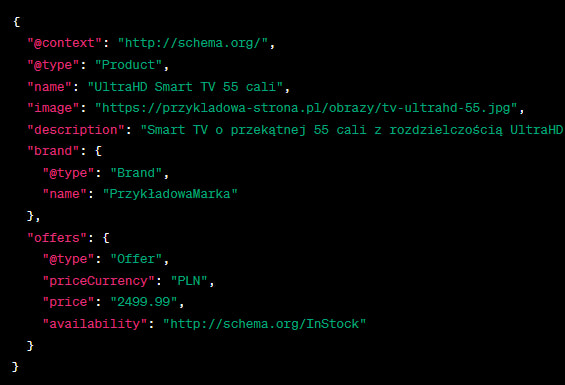
Code example for Product: